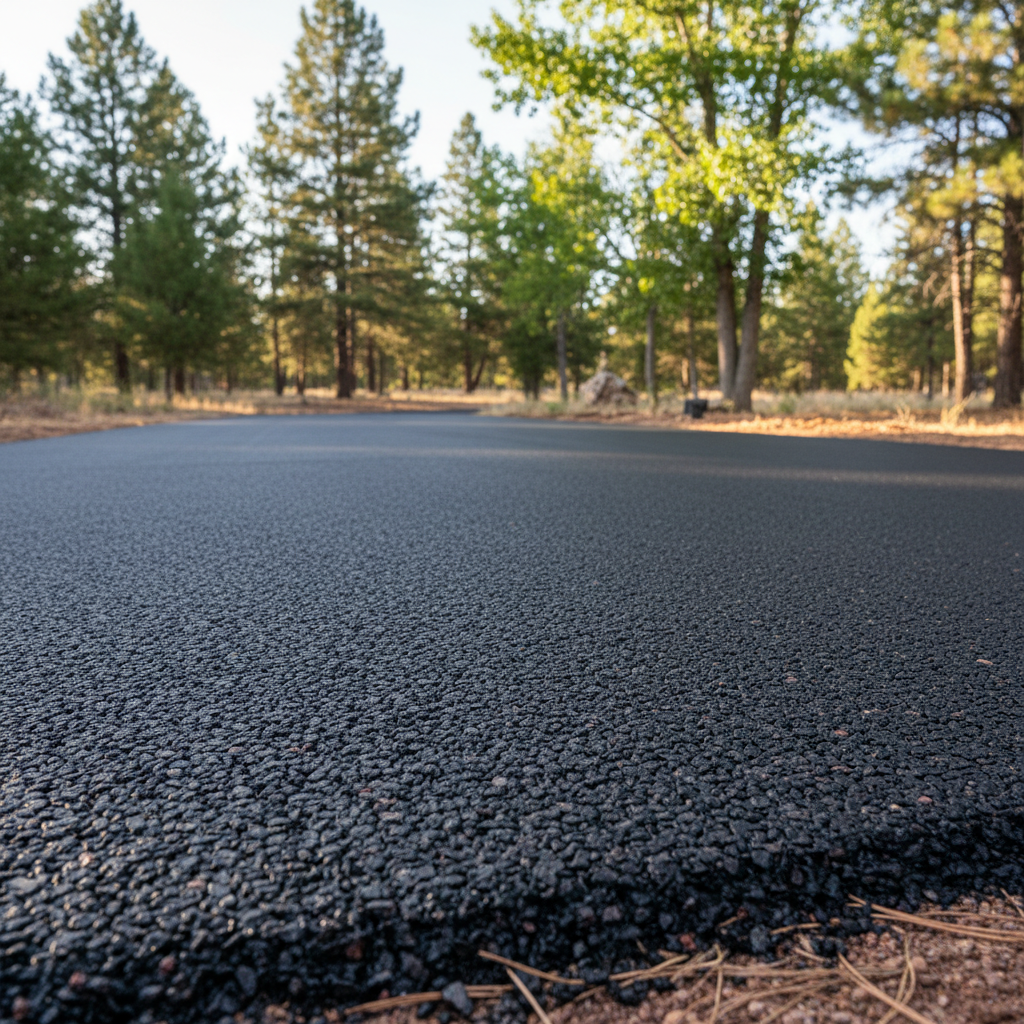
So, you're looking at your driveway and thinking it's time for a change. Or maybe it just needs some serious TLC. Residential asphalt projects can feel like a pretty big deal, and you might be wondering, "Can I tackle some of this myself, or do I need to call a crew for absolutely everything?" That's a fair question, and the answer, like most things in life, really depends on the job.
Before the Shovel Hits the Ground: Planning Your Project
Before you even think about buying materials or renting equipment, you need a solid plan. This is where you figure out what you're actually doing. Are we talking about a brand-new driveway, a complete tear-out and replace, or just some serious repairs to an existing one?
- New Driveway/Full Replacement: If you're putting in a new driveway where there wasn't one before, or completely tearing out an old, failed one, this is almost always a job for the pros. There's a lot of excavation involved, proper grading for drainage (super important here in Flagstaff with our heavy snowmelt and monsoon rains!), and laying down multiple layers of aggregate before the asphalt even comes into play. Getting the sub-base right is absolutely critical for longevity. Mess this up, and your new driveway will be cracking and sinking faster than you can say "pothole."
- Major Repairs: Are we talking about large sections of alligator cracking, significant heaving, or deep potholes that go all the way through to the base? While you can patch small potholes yourself (we'll get to that), extensive damage often means the underlying base has failed, or water has gotten in and done its work. Trying to just pave over these problems is like putting a band-aid on a broken leg; it just won't hold. A professional crew can assess the damage, figure out the root cause, and make sure the repair is structural, not just cosmetic.
- Minor Repairs & Maintenance: This is where the DIY homeowner can really shine. Small cracks, minor potholes, and regular sealcoating are definitely within your wheelhouse if you're willing to put in the effort.
Think about the scope. If it involves heavy machinery, tons of material, or specialized knowledge about soil compaction and drainage, you're probably better off getting a few quotes. We've seen plenty of DIY attempts turn into bigger, more expensive problems down the line because the prep work wasn't done right, you know?
During the Project: Getting Your Hands Dirty (or Not)
Okay, so you've decided on the scope. Now, what does the actual work look like?
- DIY Minor Repairs: For small cracks, you can use a good quality crack filler. Clean out the crack thoroughly – no dirt, no debris. Make sure it's dry. Then apply the filler according to the product instructions. For small potholes, you can buy cold patch asphalt. Clean the pothole, make sure the edges are firm, fill it slightly proud, and then compact it. You can use a hand tamper or even drive your car over it a few times. It's not a permanent fix like hot asphalt, but it'll get you through.
- DIY Sealcoating: This is probably the biggest DIY asphalt project most homeowners tackle. You'll need to thoroughly clean the driveway first – power washing is great, but make sure it's completely dry before you start. Fill any cracks or potholes beforehand. Then, apply the sealcoat evenly with a squeegee or brush. It's a messy job, and you need to work quickly and consistently for a uniform look. Read the product instructions carefully regarding temperature and drying times. Don't try to sealcoat on a super hot, sunny day or when rain is in the forecast.
- Professional Installation/Major Repair: When you hire a company like Flagstaff Asphalt Solutions, you're paying for expertise, equipment, and efficiency. We bring in the heavy graders, rollers, asphalt pavers, and the crew that knows how to operate them. We're talking about precise grading, proper compaction of the sub-base, and laying down hot asphalt at the right temperature and thickness. This isn't something you can rent at Home Depot and figure out as you go. The sheer weight and heat of the asphalt, plus the need for specialized equipment to get a smooth, durable finish, makes it a pro-only job.
One thing to remember, especially up here in Flagstaff where we've got that rocky, volcanic soil: a proper base is essential. If you don't have a solid, well-drained foundation, your asphalt won't last, no matter how good the top layer is.
After the Work is Done: Protecting Your Investment
Whether you did it yourself or hired a crew, the work isn't over once the asphalt is down.
- Curing Time: If you've had a new driveway installed, or even a large patch, you need to give it time to cure. Stay off it for at least 24-48 hours, sometimes longer depending on the weather. Don't park heavy vehicles on it for a week or two. Turning your steering wheel while stationary on new asphalt can leave scuff marks.
- Regular Cleaning: Keep your driveway clean. Sweep off dirt, leaves, and debris. Oil and gas spills should be cleaned up immediately, as they can break down the asphalt binder.
- Crack & Pothole Patrol: Don't wait for small cracks to become big ones. Inspect your driveway regularly, especially after winter. Fill those small cracks and potholes as they appear. It's much easier and cheaper to do preventative maintenance than to fix major damage.
- Sealcoating Schedule: For most residential driveways in our climate, sealcoating every 2-3 years is a good idea. It protects the asphalt from UV rays, water penetration, and wear and tear, extending its life significantly. If you're doing it yourself, stick to the schedule. If you had a pro do it, they might offer a maintenance plan or remind you when it's time.
Look, I get it. Everyone wants to save a buck, and there are definitely tasks you can handle. But know your limits. For anything beyond basic maintenance or small, superficial repairs, calling in a professional asphalt contractor isn't just about convenience; it's about getting a job done right that will last for years. It's an investment in your home, and you want that investment to pay off.