Thinking About a Big Asphalt Project at Home?
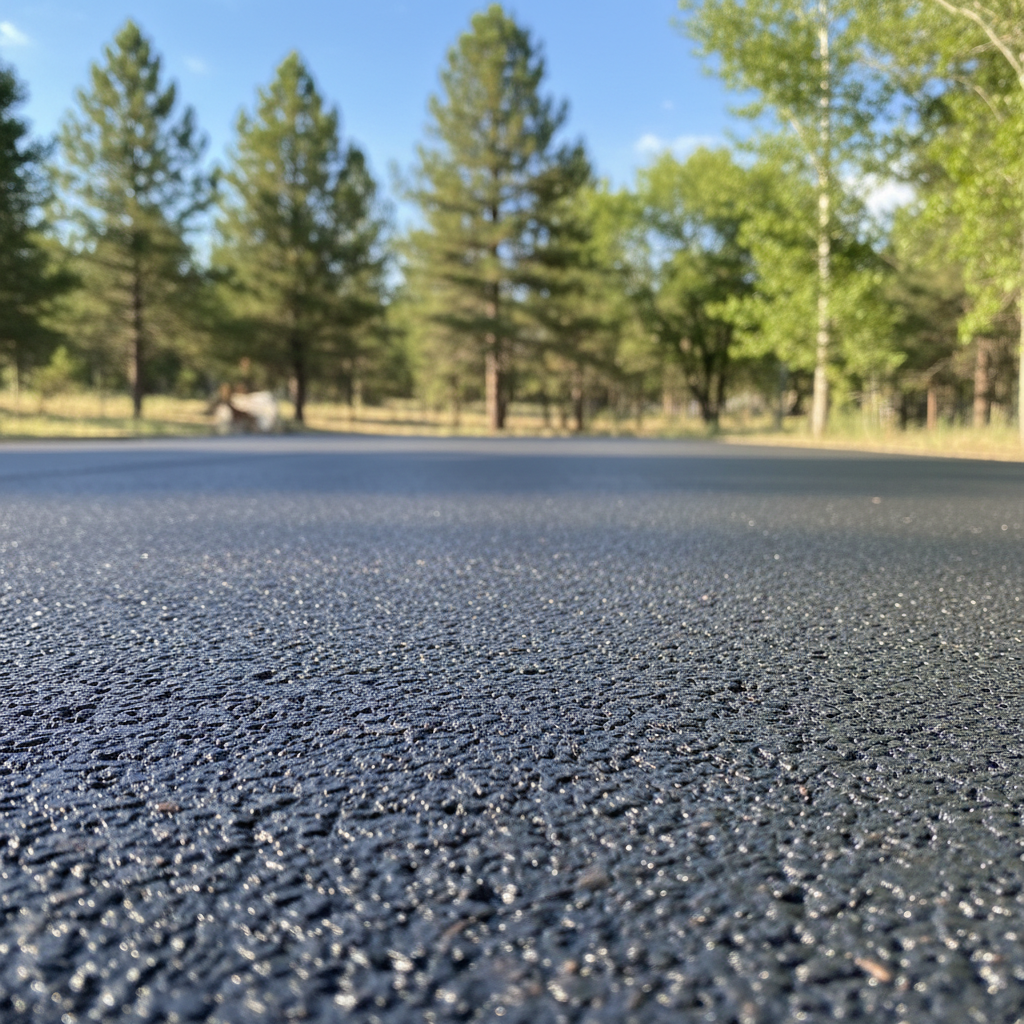
So, you've got a really long driveway, maybe a private road you share with neighbors, or even a pretty good-sized parking area on your property that needs paving. When we talk about "commercial asphalt" for homeowners, we're usually thinking about these bigger jobs — the ones that go way beyond just a standard residential driveway. It's not just about how big it is, either; it often comes down to the kind of asphalt mix, how well the base is prepped, and the specific equipment you'll need. You're basically looking at a small-scale commercial project, even if it's just for your home.
Before you even start thinking about shovels and rollers, though, you really need to figure out what you're up against. Is this a brand-new installation? Or are you replacing an old, cracked mess? A new build means you'll have to dig out and prepare a proper sub-base — that's the dirt and gravel layer underneath the asphalt. If you're replacing, you might need to rip out the old stuff, which, let's be honest, can be a huge job all by itself.
Before the Shovels Hit the Ground: Planning Your Project
This is where you can actually do a lot of the groundwork yourself. Trust me on this: the more you plan now, the smoother everything else will go. First off, measure. Get a solid idea of the square footage you're planning to pave. This isn't just for getting quotes; it really helps you picture the whole scope of the work.
- Permits & Easements: This part is absolutely critical, especially if your project is near a public road or if you share access with others. Make sure to check with the City of Flagstaff or Coconino County. You really don't want to lay down a beautiful new surface only to discover you're violating some setback or easement rule.
- Drainage: Flagstaff gets some serious snowmelt and monsoon rains. So, where's all that water going to go? You absolutely have to plan for proper drainage. If water just pools up, it'll destroy your asphalt in no time, especially with our freeze-thaw cycles. Think about slopes, swales, and culverts. This isn't something you can just guess at.
- Base Material: The asphalt itself is just the top layer. What's underneath is what truly gives it strength and helps it last. You'll need a good, well-compacted aggregate base. For bigger jobs, this often means several inches of crushed rock.
- Budget: Get a realistic idea of what you're willing to spend. Bigger jobs naturally mean bigger costs, and cutting corners on the base or asphalt thickness will only end up costing you more down the road.
What can you actually do yourself here? You can measure. You can research permits. You can even start brainstorming drainage paths. But when it comes to designing the drainage system or figuring out the right base thickness for heavy vehicles, that's usually best left to a pro. They've got the experience to know what really works for our specific climate and soil conditions.
During the Project: What to Expect & When to Step In
Okay, so you've planned, you've got your permits, and you've probably called in a pro like us at Flagstaff Asphalt Solutions. Here's what's typically happening and where you might still have a role.
- Site Preparation: This involves clearing the area, digging out old material, and grading the sub-base. If you're handy with a bobcat and have some experience, you *could* do some of the clearing or even some rough grading. But precise grading for drainage and compaction? That's specialized work, no doubt.
- Base Installation: Layers of aggregate are brought in, spread out, and then compacted. This needs heavy equipment and a good eye for level and slope. Unless you own a vibratory roller and know how to use it, this is definitely a contractor's job. Proper compaction is key; if that base isn't solid, your asphalt just won't last.
- Asphalt Paving: Hot asphalt mix gets delivered, spread by a paver, and then compacted by rollers. This is absolutely a job for experienced professionals. The mix temperature, the paver's speed, the roller patterns — all of it affects the final product. Trying to DIY this on a large scale is a recipe for a lumpy, short-lived surface.
Your main role during this phase is mostly supervision and communication. Be available to answer questions, make sure the crew has access, and just observe the work. Don't be afraid to ask questions about the process or the materials they're using. A good contractor will be happy to explain what they're doing.
After the Asphalt is Down: Care & Maintenance
The job's done, and you've got a beautiful new paved surface. Now what? The first few days are super critical. Keep heavy vehicles off it for at least 2-3 days, sometimes even longer if it's a really hot day. It needs time to cure properly.
- Initial Curing: Try to avoid sharp turns with power steering in one spot, especially when the weather is hot. This can leave marks, and who wants that?
- Cleaning: Keep it clean. Sweep off dirt, leaves, and especially gravel. Gravel can get embedded and cause damage over time.
- Sealcoating: Think of this as your asphalt's sunscreen and raincoat. For bigger jobs, you'll want to sealcoat within the first year, and then every 2-3 years after that, depending on how much traffic it gets and how much sun it sees. It protects against UV rays, water getting in, and spills.
- Crack Repair: Don't let small cracks turn into big problems. As soon as you spot them, get them filled. Water getting into cracks and freezing is the number one enemy of asphalt here in Flagstaff.
Can you sealcoat yourself? For a small driveway, maybe. For a large area, though, it's a huge undertaking to do correctly. You really need the right equipment to apply it evenly and efficiently. Crack filling? You can definitely tackle smaller cracks yourself with store-bought crack filler. But for extensive cracking or that "alligatoring" pattern, you'll need a pro to assess if it's patchable or if you need more serious repair.
Ultimately, for these bigger asphalt projects, a homeowner's best bet is to handle the planning and ongoing maintenance, but bring in the professionals for the heavy lifting — the excavation, grading, paving, and major repairs. It'll save you headaches and money in the long run, believe me.