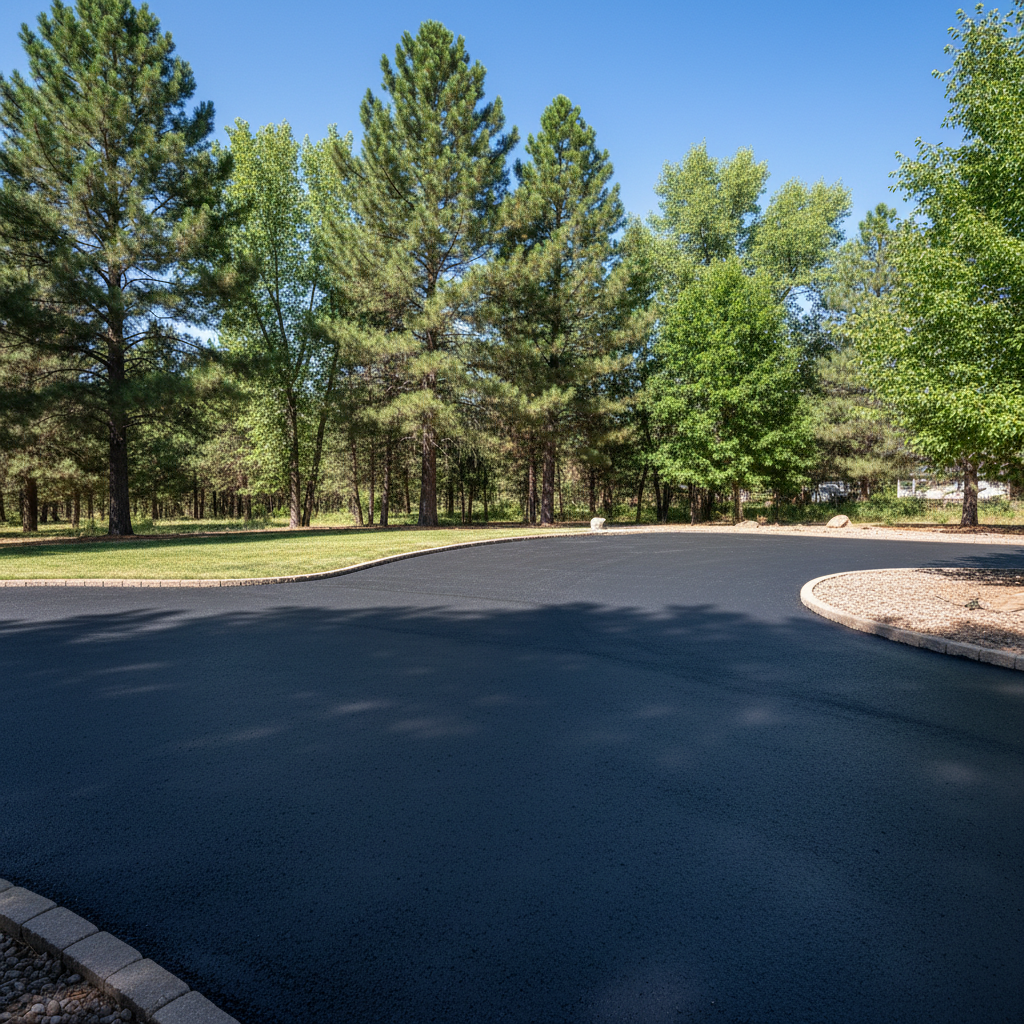
So, you just had your asphalt driveway or parking lot sealcoated. Good move. You've protected your investment from the sun, water, and general wear and tear. But that sealcoat isn't a magical, set-it-and-forget-it solution. To really get your money's worth and keep that asphalt looking sharp, you've got to do a little maintenance. Here in Flagstaff, with our intense sun, freezing winters, and heavy snow, proper care isn't just a suggestion; it's essential.
Extending the Life of Your Sealcoat: The First Few Weeks Are Key
The first 24-48 hours after we've applied sealcoat are critical. You absolutely need to stay off it. That stuff needs to cure properly. If you drive on it too soon, you'll leave tire marks, pick up the material, and basically undo a lot of the good work. We'll always tell you this when we finish a job, but it bears repeating: give it time. After that initial cure, try to avoid heavy turning or sudden stops on the fresh surface for a week or so. It's still hardening up, and you don't want to scuff it.
Beyond that, try to keep harsh chemicals like gasoline, oil, or antifreeze off the surface. If you spill something, clean it up quickly. Sealcoat is tough, but it's not invincible against every chemical out there. A quick rinse with water and a mild detergent usually does the trick.
Regular Maintenance: What You Need to Do
Once the sealcoat has fully cured, regular maintenance is pretty straightforward. It's mostly about keeping the surface clean and addressing small issues before they become big ones.
- Sweep or blow off debris regularly: Leaves, pine needles (especially if you live up near Fort Tuthill or the Coconino National Forest), dirt, and gravel can hold moisture against the asphalt and cause premature wear. Get rid of it.
- Wash it down occasionally: A good rinse with a hose and maybe a broom or a mild detergent can help remove surface grime and keep it looking fresh. Don't use a pressure washer on full blast; that can damage the sealcoat. A gentle spray is all you need.
- Address weeds: Weeds pushing up through cracks are a common problem. Pull them out, or use a weed killer. If they get established, their roots can widen cracks and cause more damage.
- Keep an eye on drainage: Make sure water isn't pooling on your driveway. Proper drainage is crucial. If you notice puddles that don't dry, it might indicate a low spot that could lead to problems down the road.
Warning Signs: When to Pay Closer Attention
Your sealcoat will tell you when it needs attention. You just have to know what to look for:
- Fading or dullness: The rich black color starts to look gray and faded. This is usually the first sign that the sealcoat is wearing thin and losing its protective qualities. Our high-altitude sun here in Flagstaff is brutal, and it'll break down that surface faster than you think.
- Fine hairline cracks reappearing: If you see tiny cracks starting to show through the sealcoat, it means the underlying asphalt is beginning to show its age again. The sealcoat's flexibility is diminishing.
- Rough texture: The smooth, even surface starts to feel gritty or rough. This indicates the aggregate in the asphalt is becoming exposed as the sealcoat wears away.
- Potholes or significant cracking: If you're seeing actual potholes, alligator cracking (a network of interconnected cracks resembling alligator skin), or large, deep cracks, your sealcoat has failed in those areas, and the underlying asphalt is seriously compromised. This isn't just a sealcoat issue anymore; it's a structural problem.
When to Call a Professional
You don't have to be an expert, but knowing when to pick up the phone can save you a lot of headache and money. Generally, you should consider re-sealcoating every 2-3 years, depending on traffic and how well you've maintained it. But if you see any of these specific issues, it's definitely time to get us out there:
- Widespread fading and dullness: If more than 25-30% of your driveway looks faded, it's time for a fresh coat. Don't wait until it's all gray.
- Numerous hairline cracks: When these start popping up all over, the protective layer is no longer doing its job effectively.
- Small, isolated potholes or deep cracks: Before these get bigger and more expensive to fix, call us. We can patch them properly before applying a new sealcoat. Trying to sealcoat over a pothole is like putting a band-aid on a broken leg; it won't hold.
- Water pooling consistently: If you've got standing water that doesn't drain, that's a problem. It'll degrade your asphalt quickly, especially with our freeze-thaw cycles. We can assess if it's a simple fix or if more extensive repair is needed.
Look, sealcoating is an investment in your property. With a little bit of care and knowing what to look for, you can significantly extend the life of your asphalt. When it's time for a fresh coat or if you're seeing those warning signs, don't hesitate to give Flagstaff Asphalt Solutions a call. We're here to help you protect your investment, keeping your driveway or parking lot looking good and lasting long.