Got potholes popping up on your asphalt? It's not just an eyesore; it's a real problem. I see it all the time, whether it's a small crack turning into a crater on a commercial lot or a residential driveway in Cheshire looking like the surface of the moon.
You might think patching asphalt is just a quick fix, and sometimes it is, but doing it right, especially here in Flagstaff, means understanding a few things that aren't obvious to everyone. It's not just about throwing some hot mix in a hole and calling it a day. That's how you end up with patches that fail in a few months, costing you more in the long run.
Why Flagstaff Potholes Are Different
Our weather here is a huge factor. We get those brutal freeze-thaw cycles, especially in late winter and early spring. Water seeps into tiny cracks, freezes, expands, and then thaws, leaving behind a bigger void. Do that a few times, and boom, you've got a pothole. It's a relentless process, and it's why you see so much damage after a heavy snowmelt or a cold snap followed by warmer days.
Then there's the soil. A lot of our ground, especially around areas like Fort Tuthill or even some of the older parts of town, can be a mix of volcanic cinder and clay. This stuff moves. If your sub-base isn't stable, any patch you put on top is just going to move with it, leading to new cracks right around the repair. You can't just ignore the foundation when you're patching the surface.
Common Patching Projects I See Around Town
I get calls for all sorts of patching jobs. On the commercial side, it's usually parking lots – places like the shopping centers off Route 66 or even smaller business parks. They see heavy traffic, delivery trucks, and constant wear. A good patch here isn't just about appearance; it's about safety for customers and employees, and avoiding vehicle damage. Plus, a well-maintained lot just looks more professional.
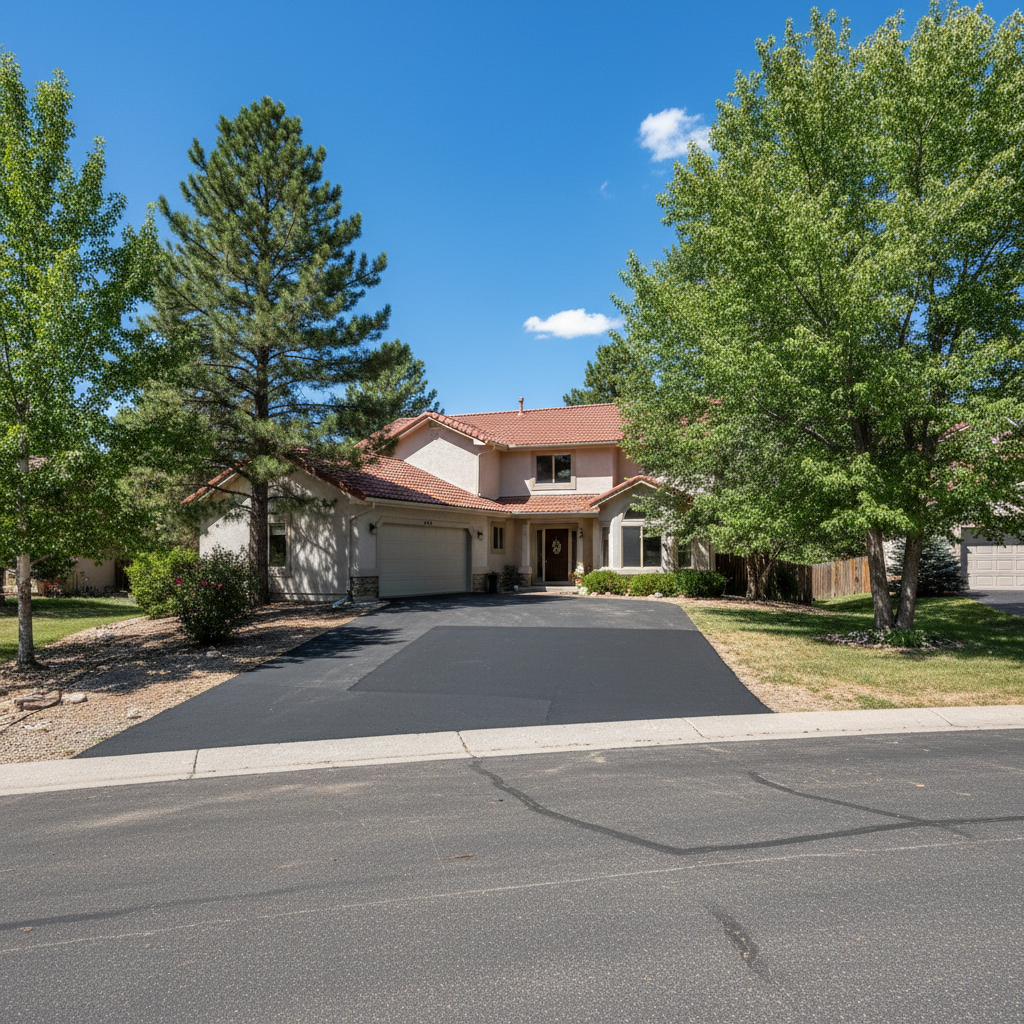
For residential folks, it's often driveways. Maybe a tree root pushed up the asphalt, or a utility trench was dug and poorly backfilled. Sometimes it's just years of wear and tear, especially if the original paving wasn't done perfectly. I've seen driveways in places like Continental Country Club that get a lot of sun exposure and then heavy snow, which can be tough on asphalt.
Another common one is utility cuts. The city or a utility company digs up a section of road or a driveway to fix a water line or lay new cable. They'll do a temporary patch, but it's rarely a permanent solution. We come in to put down a proper, durable patch that blends in and lasts.
The Right Way to Patch Asphalt
When we're tackling a patch, it's not just about filling a hole. First, we cut out the damaged area cleanly. You want straight edges, not a ragged mess. Then, we make sure the base underneath is solid. If it's not, we'll stabilize it, maybe add some new aggregate and compact it properly. Skipping this step is a recipe for failure.
Next, we apply a tack coat to the edges of the old asphalt. This is like glue; it helps the new asphalt bond to the old, preventing water from seeping between the layers. Then comes the hot asphalt mix, which we spread and compact with a vibratory compactor. Getting the compaction right is critical for durability. You want it dense and smooth, flush with the surrounding pavement.
Sometimes, for smaller, shallower cracks, we might use a different method, like crack filling or infrared patching, where we heat the existing asphalt, add new material, and blend it in. It all depends on the type and extent of the damage.
Why Local Expertise Matters for This Work
Look, you could call any paving company, but someone who knows Flagstaff's specific challenges is going to do a better job. We know the local aggregate sources, what mixes work best with our freeze-thaw cycles, and how to account for our elevation and temperature swings during application. We've seen what works and what doesn't work on hundreds of properties right here in Coconino County.
We're not just patching; we're providing solutions that last in this unique environment. That's what Flagstaff Asphalt Solutions is all about. We're your neighbors, and we stand by our work because our reputation depends on it, right here in town.
Don't Wait Until It's Too Late
A small crack or pothole might seem minor, but it's like a cavity in your tooth – it only gets worse. Water gets in, expands, and pretty soon you've got a much bigger, more expensive problem. Getting it patched early saves you money and hassle down the road. If you've got asphalt damage, give us a call. We'll come out, take a look, and give you an honest assessment of what needs to be done.