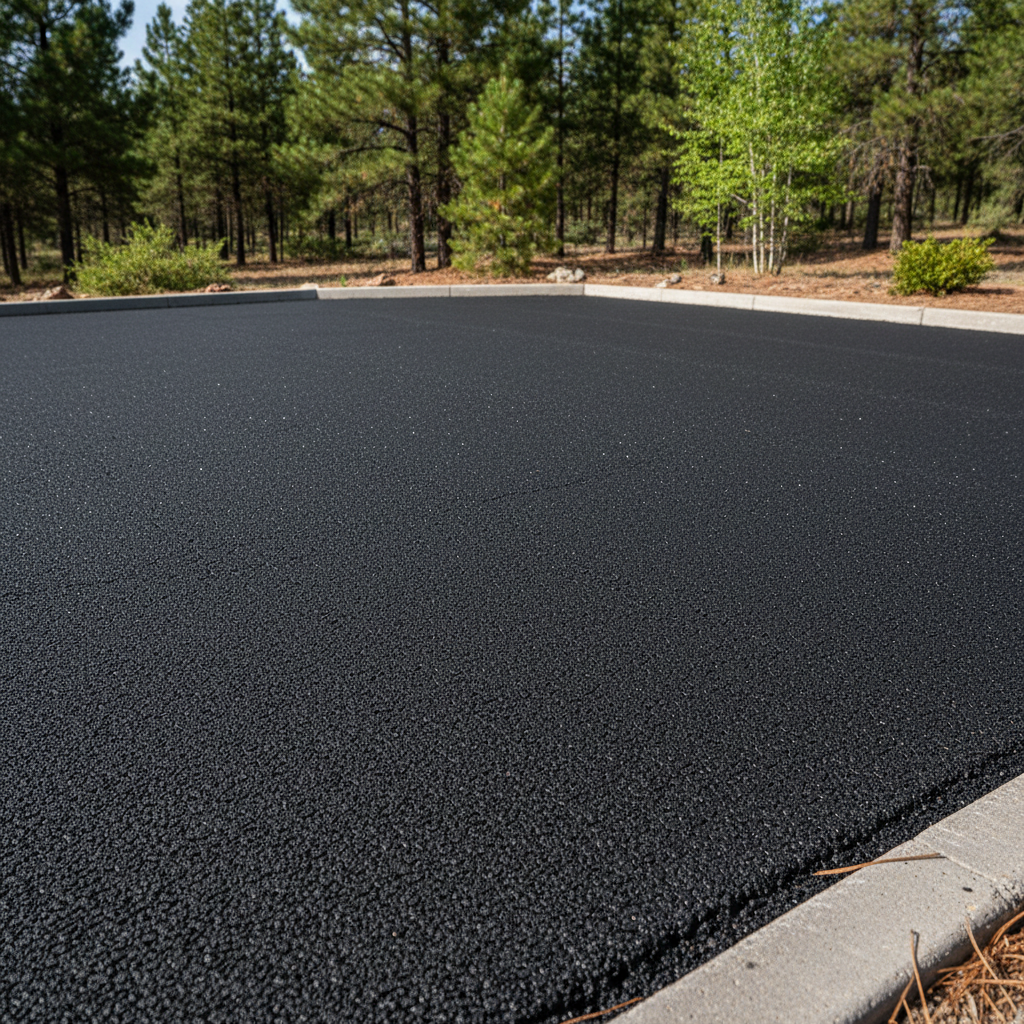
Alright, let's talk asphalt. You might be a homeowner, but maybe you've got a long driveway, a private road leading to your property, or even a home business that needs a proper parking area. These aren't your typical small patch jobs; we're talking about projects that lean more towards what folks call 'commercial' scale, even if it's for your home. And in Flagstaff, with our freeze-thaw cycles and heavy snow, you can't cut corners.
Before the Shovel Hits the Dirt: Planning Your Asphalt Project
Planning is probably the most important part, and it's where you can do a lot of the legwork yourself. Don't rush this. A good plan saves you headaches and money down the line.
- Know Your Needs: What's this asphalt going to be used for? Is it just for light vehicle traffic, or will you have heavy trucks, RVs, or even construction equipment on it? The expected load dictates the thickness of the asphalt and the base material needed. A standard residential driveway might be 2-3 inches of asphalt over a good base, but a heavy-duty private road could need 4-6 inches.
- Drainage is King: Seriously, this is huge, especially here in Flagstaff. Water is asphalt's worst enemy. You need to think about how water will flow off your new surface. Is it going to drain into a ditch, a culvert, or away from your house? You absolutely cannot have standing water. If you've got a property with a lot of clay soil, like some of the areas near Kachina Village, you know how tricky drainage can be. You might need to consider grading, swales, or even French drains. This isn't something you want to guess at.
- Permits and Regulations: Depending on the size and location of your project, you might need permits from the county or city. Don't skip this step. A quick call to the Coconino County Planning and Zoning office can save you a lot of grief.
- Budget Realistically: Asphalt isn't cheap, but it's a long-term investment. Get a few quotes. Understand what's included: excavation, base material, asphalt layers, compaction, and drainage solutions.
During the Project: What to Watch For
Once you've got a plan and a contractor (or you're tackling parts yourself), here's what to keep an eye on.
- The Base is Everything: I can't stress this enough. The base layer underneath the asphalt is what provides the structural integrity. It needs to be properly excavated, leveled, and compacted. If the base isn't right, your asphalt will crack and fail prematurely. You can sometimes do the initial clearing and rough grading yourself if you're handy with equipment, but getting the base perfectly level and compacted often requires specialized equipment and expertise.
- Proper Compaction: Both the base and each layer of asphalt need to be compacted correctly. This means using heavy rollers. You'll see the crew running these machines back and forth. Good compaction prevents future settling and increases the life of your pavement.
- Temperature Matters: Asphalt needs to be laid at the right temperature. If it's too cold, it won't compact properly. If it's too hot, it can be difficult to work with. In Flagstaff, this means we're usually working in the warmer months, but even then, conditions can change fast.
- When to DIY vs. Call a Pro: For small patch repairs, filling cracks, or sealing an existing surface, you can absolutely do it yourself. There are plenty of products at your local hardware store for that. But for a full installation of a new driveway or private road? That's a job for the pros. We're talking heavy machinery, tons of material, and specialized knowledge. Trying to DIY a large asphalt installation is like trying to build a house with a hammer and nails you found in your garage – it's just not going to work out well. This is where a company like Flagstaff Asphalt Solutions comes in. We've got the equipment and the experience to do it right the first time.
After the Job is Done: Maintenance for Longevity
You've invested in your asphalt; now protect that investment.
- Curing Time: Give your new asphalt time to cure. Your contractor will tell you how long, but typically it's a few days before light traffic and a week or more before heavy vehicles. Don't park heavy equipment or RVs on it too soon.
- Sealcoating: This is your first line of defense against the elements. Sealcoating every 2-3 years protects the asphalt from UV rays, water penetration, and oil spills. It's like sunscreen for your driveway. You can do this yourself for smaller areas, but for larger surfaces, a professional application will be more uniform and last longer.
- Crack Filling: As soon as you see cracks, fill them. Don't wait. Cracks let water in, and that water freezes, expands, and turns small cracks into big potholes. This is definitely a DIY job you can handle with readily available crack fillers.
- Keep it Clean: Sweep off dirt, leaves, and debris regularly. This prevents organic matter from breaking down on the surface and causing issues.
Look, a well-built and maintained asphalt surface can last 20 years or more, even with our tough Flagstaff weather. Do your homework, don't be afraid to ask questions, and know when to bring in the experts. It'll save you money and headaches in the long run.