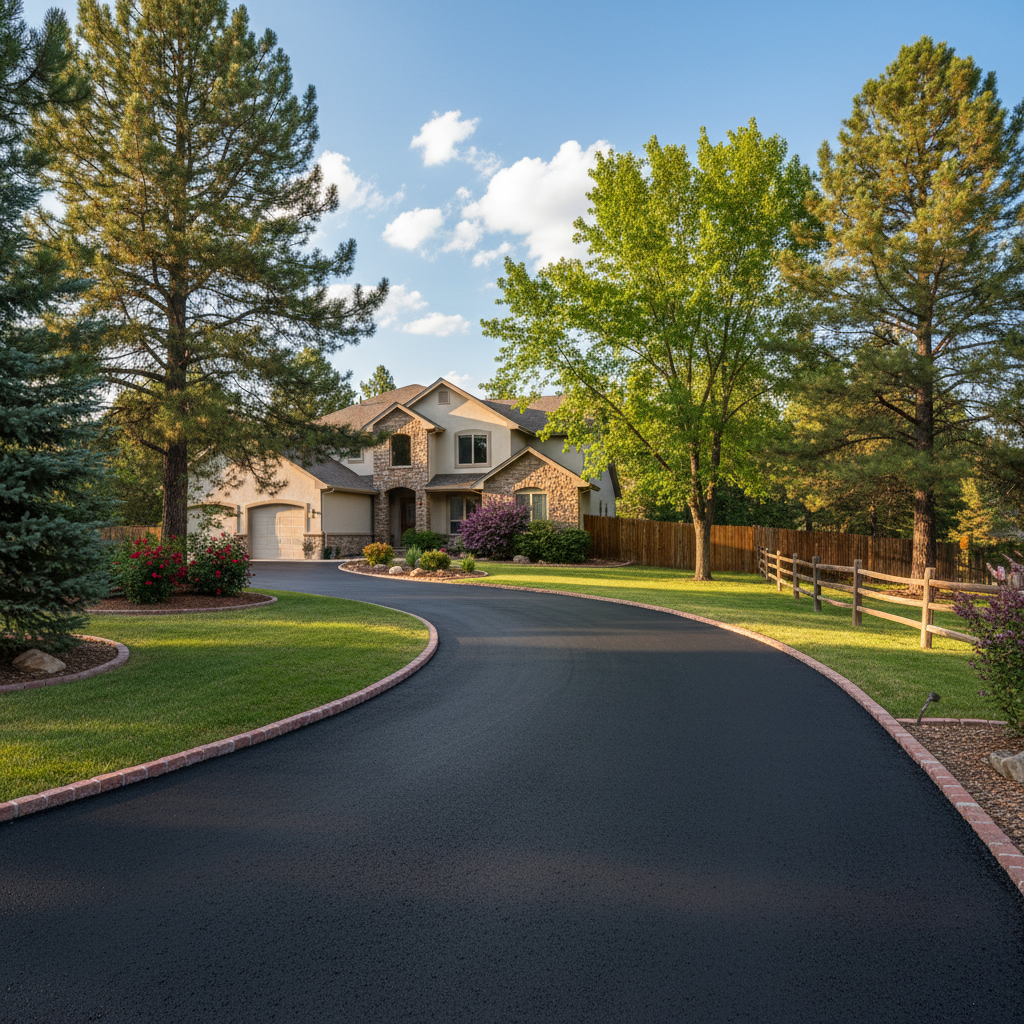
Understanding Flagstaff's Climate and Your Asphalt
So, you've got an asphalt driveway here in Flagstaff. That's great! But let's be real, our climate isn't exactly easy on pavement. We've got those brutal freeze-thaw cycles, intense summer sun, and heavy snow loads that can really do a number on things if you're not paying attention. I've seen it all, from cracked driveways in Cheshire to potholes popping up faster than dandelions after a spring rain, you know?
Keeping your asphalt in good shape isn't just about getting it paved right the first time – though that's huge. It's about understanding how our local weather impacts it and knowing when to do what. Think of it like taking care of your car; you wouldn't skip oil changes just because it's running fine today, would you?
When to Schedule Asphalt Work: Timing is Everything
This is probably the most common question I get: "When's the best time to pave or repair my driveway?" My answer is always the same: it depends on the job, but generally, you're looking at spring, summer, and early fall.
Spring: Getting a Head Start
Once the snow melts and the ground thaws out, typically late April through June, that's a prime window. The ground temperature needs to be consistently above 50°F for proper asphalt curing. If it's too cold, the asphalt won't compact correctly, and you'll end up with a weaker surface. This is a great time for repairs, crack filling, or even a full repave if you're quick. The air is usually dry, and we haven't hit those intense monsoon rains yet.
Summer: The Sweet Spot
July and August are often ideal. The ground is warm, the asphalt stays pliable longer, and it cures beautifully. However, we do get those afternoon thunderstorms, especially in late July and August. A good contractor, like us at Flagstaff Asphalt Solutions, will always keep an eye on the forecast. You don't want fresh asphalt getting soaked – it can compromise the mix's integrity. We'll often schedule pours for the morning to give it plenty of time to set before any potential afternoon showers roll in.
Fall: Racing the Clock
September and early October can still be good, but you're starting to gamble a bit with the weather. Daytime temperatures might be fine, but nighttime lows can dip, slowing down the curing process. We really need consistent warmth. Once we start seeing those overnight freezes, it's usually time to call it quits for major paving projects until next spring. Crack sealing and minor repairs can sometimes stretch a bit longer, but you've got to be careful.
Weather Conditions That Affect the Job
It's not just about the season; specific weather matters too:
- Temperature: I already mentioned it, but it's worth repeating. Asphalt needs warmth to be workable and to cure properly. If it's too cold, it's stiff, hard to compact, and won't bond well. Too hot, and it can be overly soft, especially during installation.
- Moisture: Rain is a no-go for paving. Period. It cools the asphalt too quickly, causes steam pockets, and can lead to stripping (where the asphalt separates from the aggregate). We need dry conditions, both for the ground we're paving on and during the actual pour.
- Wind: High winds can cool the asphalt too fast, making it difficult to work with. It's not usually a deal-breaker like rain, but it's something we factor in.
Protecting Your Investment Year-Round
So, you've got a beautiful new or freshly repaired driveway. How do you keep it that way?
- Sealcoating: This is your asphalt's sunscreen and raincoat. I recommend sealcoating every 2-3 years, depending on traffic and sun exposure. It protects against UV rays, water penetration, and even minor oil spills. It's a relatively inexpensive way to significantly extend your driveway's life.
- Crack Sealing: See a crack? Fill it. Don't wait. Water is asphalt's worst enemy. When water gets into cracks and then freezes, it expands, making those cracks bigger and bigger. This is how potholes start. Get those cracks sealed up as soon as you notice them.
- Drainage: Make sure water isn't pooling on your driveway. If it is, you've got a problem. Proper grading and drainage are crucial for preventing water damage. If you see standing water, it's a sign something needs to be addressed.
- Snow Removal: Be careful with plows and shovels. Don't dig into the asphalt. Use a snowblower or a shovel with a plastic edge if you can. And definitely don't use de-icing salts directly on your asphalt; they can degrade the surface over time. Sand is a better option for traction.
- Heavy Loads: Try to avoid parking heavy RVs or equipment on your driveway for extended periods, especially in the summer when the asphalt is softer. It can cause depressions and rutting.
Taking care of your asphalt isn't a one-and-done deal, especially with our unique Flagstaff weather. A little proactive maintenance goes a long way in saving you a lot of money and headaches down the road. If you've got questions about your specific driveway or need some work done, give us a call at Flagstaff Asphalt Solutions. We're always happy to talk shop.