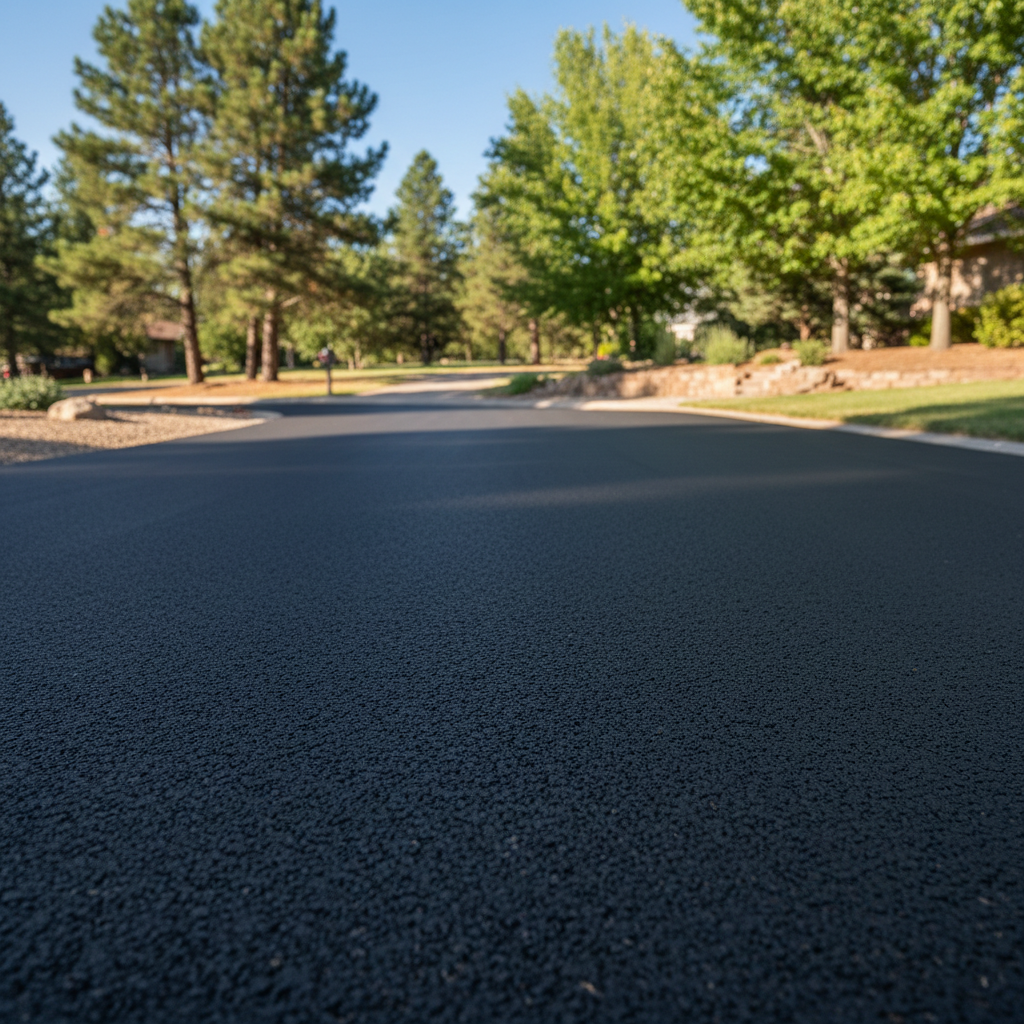
Can I even use “commercial” asphalt for my residential driveway? What's the difference?
Yeah, you absolutely can, and a lot of folks here in Flagstaff do. It’s not just for big parking lots. When we talk about “commercial” asphalt, we’re usually talking about a mix that’s designed to handle heavier loads and more frequent traffic than a standard residential mix. It’s got a different aggregate size and binder content, making it tougher and more durable. Think about a delivery truck or an RV pulling into your driveway every now and then – a commercial mix is just built to take that kind of abuse without breaking down as fast. For residential use, it means a longer-lasting surface, fewer potholes, and generally less maintenance over its lifespan. It’s an investment, for sure, but one that pays off, especially with our crazy freeze-thaw cycles up here.
Is commercial asphalt more expensive upfront than regular residential asphalt?
Typically, yes, it is. You're getting a more robust product, so the materials themselves can be a bit pricier. Plus, sometimes the installation process might involve slightly different equipment or techniques to ensure that denser, stronger mix is laid down correctly. However, don't just look at the sticker price. Think about the long game. A commercial-grade driveway is going to last significantly longer than a standard residential one, especially if it's installed right. So, while you might pay more upfront, you're likely saving money in the long run because you won't be repairing or replacing it as often. It’s like buying a heavy-duty tool versus a cheap one – one lasts, the other breaks and costs you more in frustration and replacement.
How long can I expect a commercial asphalt driveway to last in Flagstaff's climate?
With our unique climate here in Flagstaff – the heavy snow, the intense summer sun, and those brutal freeze-thaw cycles that really beat up pavement – a well-installed commercial asphalt driveway can easily last 20 to 30 years, sometimes even longer. That’s assuming you’re doing some basic maintenance, like sealing it every few years and addressing any cracks early. A standard residential mix might only give you 10-15 years before it starts showing serious wear and tear. The key is that deeper, stronger base and the tougher asphalt mix. It resists water penetration better and handles the expansion and contraction from temperature swings without falling apart. We've put down commercial mixes in places like Kachina Village and Mountainaire, and those driveways hold up great even with all the plowing they see.
What kind of prep work is needed for a commercial asphalt installation? Is it different from residential?
The prep work is crucial, and honestly, it's where a lot of contractors cut corners, residential or commercial. For commercial asphalt, the base needs to be even more substantial and meticulously prepared. We're talking about proper excavation, ensuring good drainage away from the surface, and then laying down a really solid, compacted aggregate base – often thicker than what you'd use for a residential job. We're looking for at least 6-8 inches of compacted aggregate, sometimes more depending on the soil and expected load. If you don't get the base right, even the toughest asphalt will fail prematurely. It’s like building a house on sand. With Flagstaff's clay soils in some areas, getting that drainage and compaction perfect is even more critical to prevent heaving and cracking.
Do I need to seal commercial asphalt as often as residential asphalt?
You still need to seal it, but maybe not quite as frequently as a lighter residential mix. For a commercial-grade driveway, I usually recommend sealing every 3-5 years. For residential, it’s often every 2-3 years. Sealing protects the asphalt from UV rays, water penetration, and chemicals like oil and gas. It keeps the binder flexible and prevents the surface from drying out and becoming brittle. Even though commercial asphalt is tougher, it’s not invincible. Think of it as sunscreen for your driveway – you wouldn't go out in the Flagstaff summer sun without it, right? Same principle. Regular sealing extends its life and keeps it looking good.
What are the biggest downsides or potential issues with using commercial asphalt for a home?
The biggest downside, as we talked about, is the higher upfront cost. It’s a bigger investment. Another thing to consider is that because the mix is denser, it can sometimes take a little longer to cure fully, especially in cooler weather. You’ll need to be patient with traffic on it right after installation. Also, while it’s incredibly durable, it’s not immune to extreme stress. If you’re constantly parking heavy construction equipment on it or have a massive, overloaded truck driving over it daily, you could still see wear. But for typical residential use, even with RVs or delivery trucks, these issues are pretty minor compared to the benefits. Just make sure you hire someone who knows what they're doing with commercial mixes; it's a different beast than just slapping down a thin residential layer.
What kind of maintenance should I expect with a commercial asphalt driveway?
Maintenance for a commercial asphalt driveway is pretty straightforward, and honestly, it's less than what you'd deal with on a cheaper residential one. You'll want to keep it clean – sweep off debris, especially after heavy winds or snowmelt. Address any small cracks or potholes as soon as they appear; don't let them grow. Crack filling is cheap and easy to do yourself, or you can have us at Flagstaff Asphalt Solutions take care of it. And, as I mentioned, sealcoating every 3-5 years is key. Beyond that, just be mindful of heavy point loads, like leaving a jack stand on it for weeks, which can leave depressions. Overall, it’s about being proactive rather than reactive. A little attention goes a long way in making that investment last decades.